

Affordable Packaging Options: Flexible Packaging Price - What to Know
- Jul 10
- 4 min read
When it comes to packaging, brands in food, pharma, cosmetic, and personal care industries face a crucial decision: how to protect their products while making them stand out on the shelves. Flexible packaging has become a popular choice, offering versatility, durability, and sustainability. But what about the cost? Understanding the factors that influence the flexible packaging price can help brands make smart decisions that balance quality and budget.
Flexible packaging is not just about wrapping products; it’s about creating a custom solution that fits the brand’s identity and product needs. Let’s dive into what affects the price, explore affordable packaging options, and provide practical tips to get the best value.
What Makes Flexible Packaging a Smart Choice?
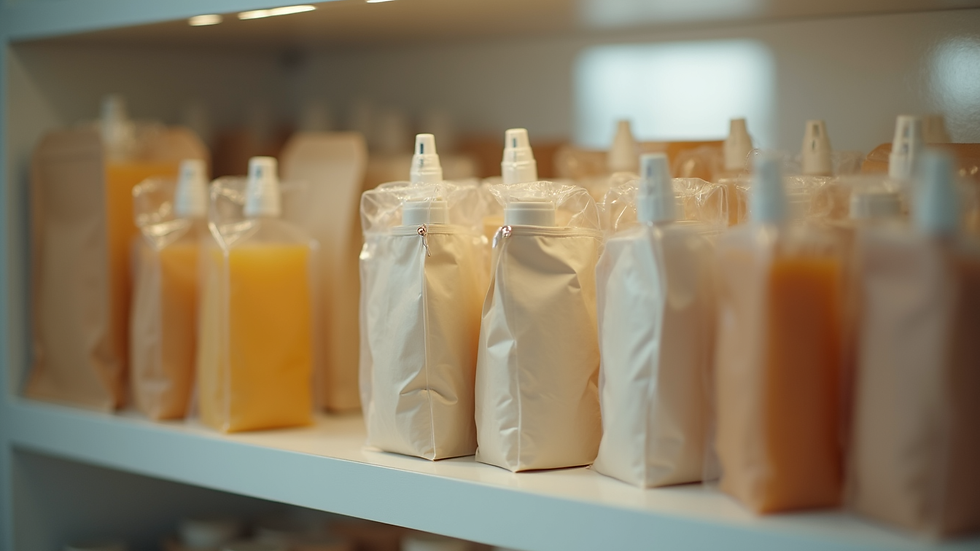
Flexible packaging is designed to be lightweight, adaptable, and efficient. It includes materials like films, foils, and laminates that can be shaped into pouches, bags, wraps, and more. This type of packaging offers several advantages:
Protection: Keeps products fresh and safe from contamination.
Customization: Allows for unique designs and branding.
Sustainability: Often uses less material and can be recyclable.
Convenience: Easy to store, transport, and use.
For brands aiming to expand in the U.S. and Latin America, flexible packaging offers a competitive edge. It helps products stay protected during shipping and shelf life while appealing to eco-conscious consumers.

Affordable Packaging Options: Balancing Cost and Quality
Finding affordable packaging options doesn’t mean compromising on quality. It’s about understanding the materials, printing techniques, and production processes that influence costs. Here are some key points to consider:
Material Choices
Polyethylene (PE): One of the most cost-effective materials, ideal for simple packaging needs.
Polypropylene (PP): Offers better clarity and strength but can be slightly more expensive.
Laminates: Combine different materials for enhanced barrier properties but add to the cost.
Biodegradable Films: Growing in popularity for sustainability but may come at a premium.
Printing Techniques
Flexographic Printing: Cost-effective for large runs, suitable for simple designs.
Rotogravure Printing: Higher quality and detail but more expensive.
Digital Printing: Great for short runs and customization but can increase unit cost.
Production Volume
Higher volumes usually mean lower cost per unit due to economies of scale. Brands should plan their packaging runs carefully to optimize costs without overstocking.
Design Complexity
Simple designs with fewer colors and less intricate patterns reduce printing costs. However, investing in eye-catching designs can boost brand recognition and sales.
How much does flexible packaging cost?
Understanding the cost structure of flexible packaging helps brands budget effectively. The price depends on several factors:
Material Type and Thickness: Thicker or specialty materials cost more.
Size and Shape: Larger or uniquely shaped packages require more material and complex machinery.
Printing and Finishing: More colors, special finishes (like matte or gloss), and embossing add to the price.
Order Quantity: Bulk orders reduce the cost per unit.
Additional Features: Zippers, spouts, or resealable options increase costs.
For example, a simple polyethylene pouch for snacks might cost between $0.10 and $0.30 per unit in large quantities. In contrast, a multi-layer laminated pouch with high-quality printing and resealable features could range from $0.50 to $1.00 or more.
Brands should request detailed quotes from suppliers and consider total cost implications, including shipping and storage.
Tips to Optimize Flexible Packaging Price Without Sacrificing Quality
Getting the best value from flexible packaging requires strategic planning. Here are some actionable recommendations:
Choose the Right Material: Match the material to the product’s protection needs. Avoid over-engineering.
Simplify Design: Use fewer colors and avoid unnecessary embellishments.
Order in Bulk: Plan production runs to benefit from volume discounts.
Work with Experienced Suppliers: Partners like Flexiarte can guide you through cost-effective solutions tailored to your brand.
Consider Sustainability: Sometimes investing in recyclable or biodegradable materials can save costs in the long run by appealing to eco-conscious consumers.
Test Prototypes: Before committing to large orders, test samples to avoid costly mistakes.
By balancing these factors, brands can find affordable packaging options that meet their quality standards and budget.
Why Partnering with the Right Flexible Packaging Supplier Matters
Choosing the right supplier is just as important as selecting the packaging itself. A reliable partner understands the market, offers customization, and supports sustainable practices. Here’s why it matters:
Expertise: Experienced suppliers provide insights on materials, design, and cost-saving opportunities.
Quality Assurance: Ensures consistent product protection and appearance.
Sustainability Commitment: Helps brands meet environmental goals.
Efficient Production: Reduces lead times and avoids delays.
Regional Reach: Supports distribution in key markets like the U.S. and Latin America.
Flexiarte, for example, aims to be the go-to partner for brands needing custom, high-quality flexible packaging. Their commitment to sustainable practices and efficient production makes them a valuable ally for brands looking to grow.
Making the Most of Your Flexible Packaging Investment
Flexible packaging is more than just a container - it’s a strategic asset. To maximize your investment:
Align Packaging with Brand Identity: Use packaging to tell your product’s story.
Focus on Functionality: Ensure packaging meets consumer needs for convenience and freshness.
Monitor Market Trends: Stay updated on innovations and sustainability trends.
Evaluate ROI: Track how packaging impacts sales and customer satisfaction.
By approaching flexible packaging as a key part of your product strategy, you can enhance brand visibility and customer loyalty while managing costs effectively.
Flexible packaging offers a world of possibilities for brands seeking affordable packaging options that don’t compromise on quality or sustainability. Understanding the factors behind the flexible packaging price empowers brands to make informed decisions and partner with suppliers who share their vision. Ready to explore your packaging options? The right choice is just a conversation away.


Comments