

Key Price Determinants Packaging: Factors That Influence Flexible Packaging Prices
- Jul 10
- 4 min read
Flexible packaging has become a popular choice for many industries, especially food, pharma, cosmetic, and personal care brands. It offers versatility, protection, and an attractive presentation for products. But what exactly drives the cost of flexible packaging? Understanding the factors that influence flexible packaging prices can help brands make informed decisions and optimize their packaging investments.
Let’s dive into the main elements that affect the cost of flexible packaging and explore how each one plays a role.
Understanding Price Determinants Packaging: What Drives Costs?
When it comes to flexible packaging, several key factors determine the final price. These price determinants packaging are essential to consider because they impact not only the cost but also the quality and functionality of the packaging.
Material Selection
The choice of materials is one of the biggest cost drivers. Flexible packaging can be made from various films such as polyethylene (PE), polypropylene (PP), polyester (PET), nylon, and biodegradable options. Each material has different properties and price points.
Standard films like PE and PP are generally more affordable.
High-barrier films such as PET or nylon offer better protection but come at a higher cost.
Sustainable materials or compostable films may increase costs due to newer technology and limited suppliers.
Brands must balance the need for protection, shelf life, and sustainability with budget constraints. For example, a pharmaceutical product requiring airtight packaging will likely need a high-barrier film, which costs more but ensures product safety.
Printing and Design Complexity
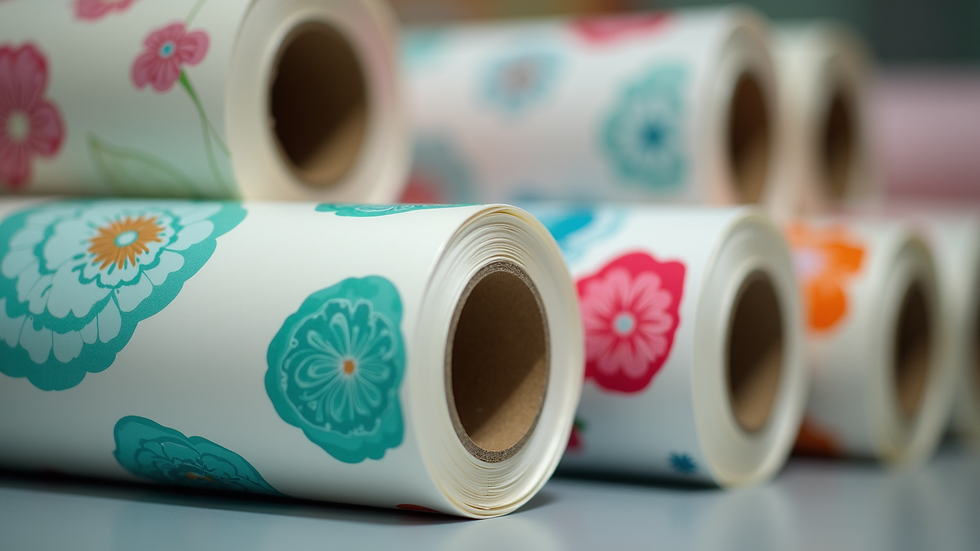
The visual appeal of packaging is crucial for brand recognition and consumer attraction. However, the complexity of printing directly affects the price.
Number of colors: More colors mean more printing plates and higher costs.
Printing method: Flexographic printing is common and cost-effective for large runs, while digital printing suits smaller batches but can be pricier per unit.
Special finishes: Matte, gloss, metallic, or soft-touch coatings add to the cost but enhance the look and feel.
A simple two-color design will cost less than a full-color, high-resolution image with special finishes. Brands should consider how much they want to invest in packaging aesthetics versus functionality.
Packaging Size and Format
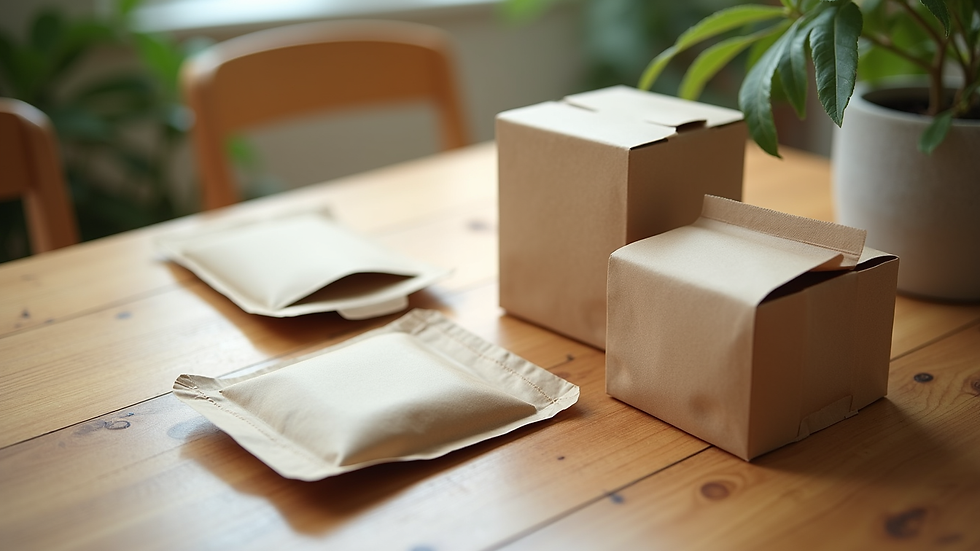
The size and format of the packaging also influence the price. Larger packages require more material, increasing costs. Additionally, the type of packaging—pouches, bags, sachets, or wraps—affects production complexity.
Custom shapes or sizes may require special tooling or dies, adding to setup costs.
Standard sizes benefit from economies of scale and lower tooling fees.
Multi-layer laminates used for enhanced protection can be more expensive than single-layer films.
Brands should evaluate their product size and packaging needs carefully to avoid unnecessary expenses.
How much does flexible packaging cost?
Pricing for flexible packaging varies widely depending on the factors mentioned above. On average, costs can range from a few cents per unit for simple, small pouches to several dollars for complex, high-barrier, multi-layer packaging.
Here are some typical cost considerations:
Setup fees: Initial costs for printing plates, dies, and machinery setup.
Material costs: Vary based on film type and thickness.
Printing costs: Depend on color count and print method.
Order volume: Larger orders reduce the per-unit cost due to economies of scale.
Additional features: Zippers, resealable closures, spouts, or special finishes add to the price.
For example, a small food brand ordering 10,000 standard pouches with two-color printing might pay significantly less per unit than a pharmaceutical company requiring 100,000 high-barrier, multi-layer packages with full-color printing and resealable zippers.
To get a precise estimate, brands should request quotes from flexible packaging suppliers and provide detailed specifications.
The Role of Sustainability in Pricing
Sustainability is no longer just a trend; it’s a priority for many brands and consumers. However, sustainable flexible packaging often comes with a price premium.
Recyclable materials: Films designed for easy recycling may cost more due to specialized production.
Biodegradable or compostable films: These are typically more expensive because of limited raw materials and manufacturing processes.
Reduced material usage: Some brands invest in lightweight packaging to reduce material costs and environmental impact.
Choosing sustainable packaging can enhance brand reputation and meet regulatory requirements, but it requires careful budgeting. Brands should weigh the long-term benefits against the initial investment.
How to Optimize Flexible Packaging Price Without Compromising Quality
Balancing cost and quality is key. Here are some actionable tips to optimize flexible packaging price:
Order in larger volumes: Bulk orders reduce per-unit costs.
Simplify design: Limit colors and special finishes to essentials.
Choose standard sizes: Avoid custom tooling fees.
Work with experienced suppliers: They can recommend cost-effective materials and processes.
Consider multi-use packaging: Resealable or reusable packaging can add value without excessive cost.
Plan ahead: Avoid rush orders that increase production costs.
By understanding these factors and working closely with packaging partners, brands can find the sweet spot between cost, quality, and sustainability.
Looking Ahead: Trends Impacting Flexible Packaging Prices
The flexible packaging industry is evolving rapidly. Here are some trends that may influence prices in the near future:
Advances in sustainable materials: New bio-based films may become more affordable as technology matures.
Digital printing improvements: Lower costs and faster turnaround for small runs.
Automation and smart packaging: Integration of QR codes or sensors could add value but increase costs.
Supply chain dynamics: Raw material availability and global logistics impact pricing volatility.
Staying informed about these trends helps brands anticipate changes and adapt their packaging strategies accordingly.
Flexible packaging offers incredible benefits, but understanding the factors that influence its cost is essential for making smart choices. From material selection to design complexity and sustainability, each element plays a role in shaping the final price. By considering these price determinants packaging carefully, brands can create packaging that protects, promotes, and performs—all while staying within budget.
For those looking to explore options and get a tailored quote, checking out the current flexible packaging price can be a great first step toward finding the perfect packaging solution.


Comments